
Retail Distribution Strategy — From Local Shelves to National Chains
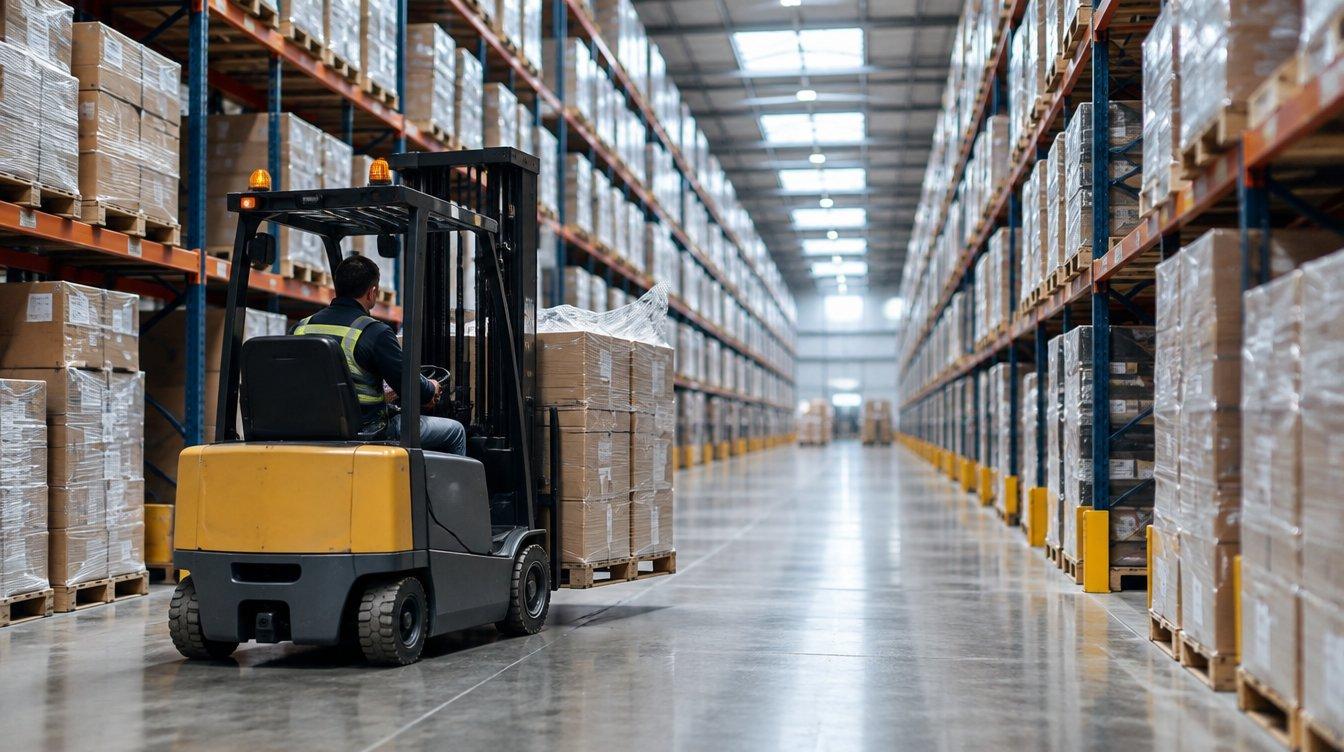
Getting into retail is not one achievement; it is a ladder with distinct rungs — each demanding more operational capability than the last and rewarding it with more volume. Brands that treat distribution as a sequence build durable retail businesses. Brands that leap at the first chain opportunity routinely get crushed by the operational and capital demands hiding behind the purchase order.
This guide covers the strategy layer of retail distribution: choosing the path, working the distributor system, surviving chains, and keeping control as you scale. It builds on our sales channels playbook, which covers each channel's mechanics, and belongs to the patent-to-product pillar guide.
Map the retail landscape for your category
Retail is not one market. For any given product the realistic universe looks like:
- Independents and specialty stores — buy on relationship and product fit; forgiving terms; low volume per door
- Regional chains — professional buying with human flexibility; the best learning environment for chain operations
- National chains and big box — category reviews, hard requirements, transformative volume
- Online retail arms (the .com side of major retailers) — often easier entry than shelves, and a proving ground the same buyer watches
- Institutional channels — education, government, corporate procurement, usually reached through specialized distributors
Strategy starts with honesty about where your product's economics and story fit today, and which rung you are actually ready for. A $6-landed-cost product retailing at $25 has chain-viable margins; a $12-landed product at $25 does not — it needs the direct and specialty rungs until costs scale down.
The distributor system: how most shelves actually get stocked
Most retail doors are not supplied by brands directly; they are supplied by distributors that consolidate hundreds of brands into one ordering relationship for the retailer. Understanding this system is the difference between pitching retailers cold and entering through the supply chain they already use:
- National broadline distributors serve the big chains in a category
- Regional and specialty distributors serve independents and niche retail
- Rack jobbers and service distributors manage entire sections in-store for certain categories
The right distributor gives you, in one deal, what years of door-knocking cannot: presence across their whole retailer network. ILG's experience here is direct — partnering with the largest U.S. electronics distributors placed the Comfi II and Wow Pen Joy II across roughly 70,000 retail websites, from national office-supply chains to specialist IT resellers, and sustained that reach for over a decade.
Vetting a distributor is precise work: which of your target retailers do they actively serve, with what comparable products, at what volumes? What is the full program cost — margin, freight, defect and markdown allowances, marketing co-op? What performance will they commit to, and what happens if placement targets are missed? A distributor agreement without answers to these is a warehouse transfer, not distribution.
Surviving the chains
A chain purchase order is a wonderful problem that arrives with teeth. Before pursuing one, be ready for:
Operational requirements. EDI for orders and invoices, routing-guide compliance down to label placement and pallet configuration, delivery windows with chargebacks for misses, and vendor portals with their own fees.
Financial structure. Payment in 60–90 days while you have already paid your factory; allowances deducted for defectives, markdowns, and advertising; and the working capital to fund an order that may exceed everything you have sold to date. Purchase-order financing exists precisely for this gap.
Concentration risk. One buyer's annual category reset can remove half your revenue on a calendar you do not control. The defense is a portfolio: chains as one leg of a stack that still includes direct, marketplace, and independent revenue you own.
Margin discipline. Chains negotiate from data and scale. If your cost structure cannot fund their margin plus allowances plus your profit, the volume is a treadmill, not a prize. Some of the healthiest product businesses deliberately stop one rung below the biggest chains.
Pricing architecture: one structure, enforced
Distribution collapses when channels undercut each other. The protections, set before scaling:
- A single wholesale price list with quantity breaks, applied to everyone
- MAP policy (minimum advertised price), monitored and enforced, so your retailers are never beaten by your own marketplace listings
- Channel-specific SKUs where conflict is structural — a bundle or variant for club and value channels protects the core product's price integrity
- Territory and channel clarity in distributor agreements, so two partners never fight over the same doors
Scaling without losing the brand
As distribution grows, the brand's gravity must grow with it — because on a crowded shelf, the retailer's house brand and three competitors sit inches away. Sustain demand with the product story that earned you the shelf (reviews, packaging claims, category PR), keep innovating the line so buyers have a reason to expand your placement rather than replace it, and hold quality ruthlessly — a chain-scale quality failure is a chain-scale return, often with your brand's reputation attached.
And keep the channels you own. Direct and marketplace revenue is what makes you negotiable with — rather than dependent on — every wholesale partner in the stack.
The strategic sequence, compressed
- Prove sell-through where stakes are survivable (direct, independents)
- Enter the distributor system that already serves your target retailers
- Use regional chains to build chain-grade operations
- Scale to national placement when margins, capital, and operations can absorb it
- Keep owned channels strong throughout — they are your leverage and your floor
Distribution strategy is ultimately relationship strategy, and relationships are the part you cannot shortcut alone. ILG has spent decades building the distributor and retail network behind our own product lines, and we put client products through the same doors via our manufacturing and distribution service. If your product is ready to climb this ladder, schedule a consultation.
Frequently Asked Questions
What is a retail distribution strategy?
A deliberate plan for which retail channels carry your product, in what order, at what terms: the target retailer types, the distributor partnerships that reach them, pricing architecture that survives every layer, and the operational capabilities (EDI, logistics, insurance, capital) each stage requires. Without one, distribution happens to you instead of for you.
How do products get into national chains?
Overwhelmingly through evidence and access: sell-through data from smaller channels, margins that fit the chain's model, operational compliance, and an introduction path — usually a distributor already serving that chain, a category buyer meeting at a trade show, or a retailer's own supplier diversity or local programs. Buyers review categories on set calendars, so timing matters as much as the pitch.
What do chains require from suppliers?
Typical requirements: EDI transaction capability, routing-guide compliance (labeling, palletization, delivery windows), product liability insurance of $1–2M+ naming the retailer, category-standard margins plus allowances (defectives, markdown, co-op), UPC-coded retail packaging, and the capacity and capital to fill large orders on 60–90 day payment terms. Chargebacks for compliance misses are routine, so operations matter as much as product.
Is national retail distribution worth it for small brands?
Sometimes. Chains deliver volume and legitimacy, but they compress margins, tie up capital in receivables and inventory, and concentrate risk in a few buyers' decisions. Brands with strong direct and independent sales sometimes earn more, more safely, than chain-heavy peers. Scale into chains when your margins, capital, and operations can absorb their demands — not before.
How many distributors should a product brand use?
As few as cover your target retailers without overlap — often one national or two regional distributors per channel type. Overlapping distributors selling the same accounts creates price erosion and relationship conflict. Map who actually serves your target retail doors before signing, and keep territory or channel exclusivity explicit in the agreement.
Ready to Discuss Your Patent?
Talk through your situation with our team — no cost, no obligation.
Article Details
- Category
- Patent to Product
- Author
- Michael Heckly
- Reading Time
- 5 min read
- Word Count
- 1,296
- Published
- November 10, 2026
Have Questions About Your IP?
Our team is happy to talk through your situation and explore your options.
Related Articles
Setting Up Sales Channels — Getting Your Product Into Stores and Online
Products reach customers through stacked channels — direct, marketplaces, independents, distributors, chains — each with its own margins and rules. Here is the sequence that works and the math behind it.
6 min read
Patent to ProductManufacturing Sourcing for New Products — Finding the Right Partner
Sourcing is a process, not a search box: build a qualified long list, send an RFQ that produces comparable quotes, sample the finalists, and choose on more than price. Here is the playbook.
5 min read
Patent to ProductProduct Development for Inventors — From Concept to Market-Ready Design
Between the idea and the factory sits product development: design, engineering, prototyping, and the decisions that determine what your product costs forever. Here is the process, stage by stage.
6 min read