Loading…
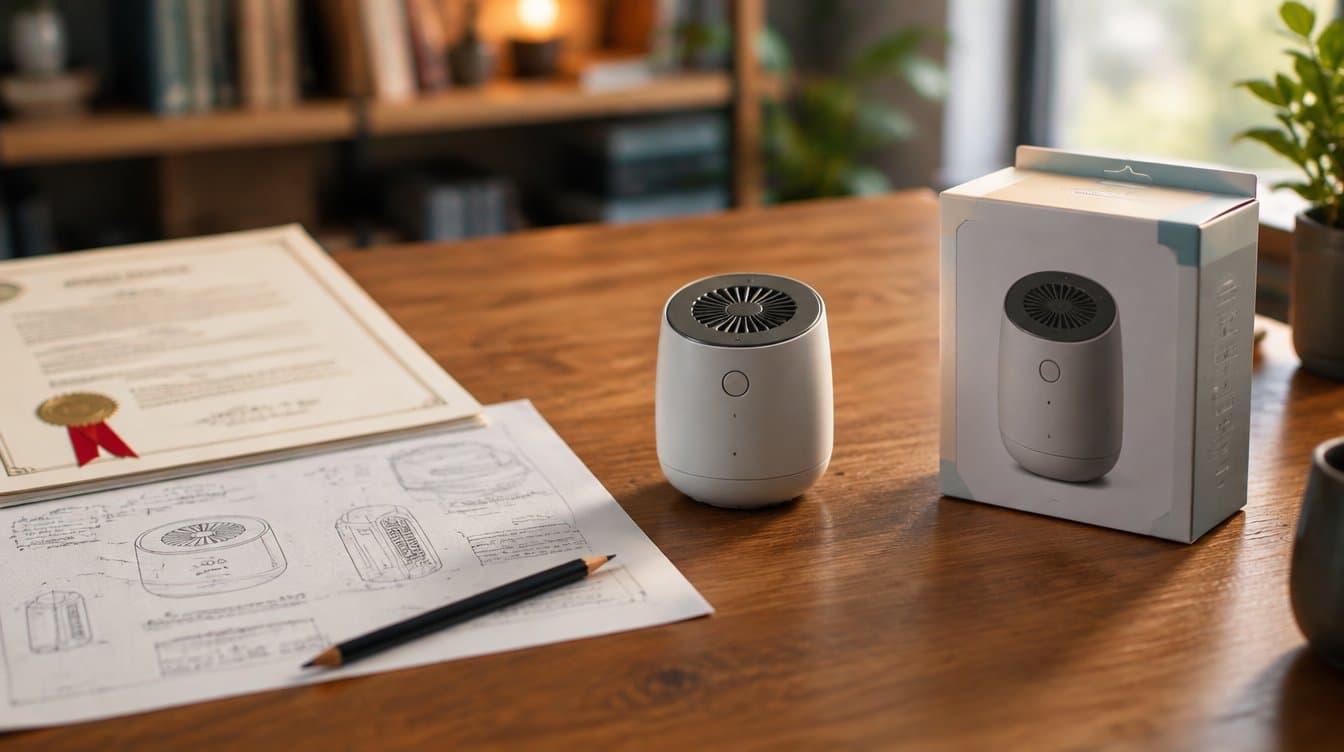
You have a patent — or one on the way. The question now is how to turn a legal document into income. For some inventors the answer is licensing. For others, it is building a real business: manufacturing the product, getting it into stores, and owning the whole margin instead of collecting a royalty.
This guide covers the second path from end to end: validating the market, developing the product, finding a manufacturer, funding the launch, and building sales channels. It is the path ILG has walked with inventors many times — from a backyard fly trap prototype that became a decade-long product line to a that helped thousands of children. The steps below are the same ones we use on real launches.
Before spending a dollar on tooling, settle the strategic question. There are three ways to monetize a patent:
The honest comparison depends on your capital, your appetite for operations, and how defensible your patent really is. We wrote a full decision framework for choosing between licensing, selling, and building, and the broader guide to patent monetization puts all three paths in context. The rest of this guide assumes you are building.
The most expensive mistake in product launches is manufacturing something nobody buys. Before engineering begins, get evidence:
Validation does not need to be expensive. A landing page, a small ad budget, and a prototype video can measure real demand for a few hundred dollars.
A patent describes an invention broadly enough to protect it. A factory needs the opposite: exact dimensions, materials, tolerances, and finishes. Bridging that gap is product development:
Expect this phase to cost $5,000–$30,000 with independent designers and engineers, depending on complexity. It is money well spent: a design that is 20% cheaper to mold pays for itself on the first production run. Our detailed guide to product development for inventors walks through the process, and ILG's manufacturing service includes DFM review on every project we take on.
Plan on at least three prototype generations:
Test each generation with real users and record what breaks. The Fly Cage went through exactly this evolution — a PVC-and-netting backyard build, then a refined version, then the manufactured design that has now sold for over a decade. Iteration before tooling is cheap; iteration after tooling costs five figures.
Manufacturing is where most first-time inventors get burned, usually by choosing a supplier on price alone. The core decisions:
This is the stage where experienced help pays for itself fastest. ILG has manufactured 16+ products through long-standing factory relationships in the US and Asia, and our Shanghai office works with factories directly. If you would rather not learn supplier management by trial and error, talk to us.
A realistic first-run budget for a typical molded consumer product:
Most independent launches land between $20,000 and $100,000 all-in before meaningful revenue. The full manufacturing costs breakdown itemizes where the money goes and where inventors typically underestimate.
Funding options, roughly in order of preference for most inventors: personal capital and pre-sales, then crowdfunding (which doubles as validation), then purchase-order financing once you have retail orders, then outside investors — who will expect equity and a say.
Before the first purchase order:
ILG's business start-up service handles this scaffolding for inventors who want to focus on product instead of paperwork.
A product that works is not yet a product that sells in stores. Retail readiness means:
Products reach customers through stacked channels, usually in this order:
Two companion guides go deeper: setting up sales channels and retail distribution strategy.
For a typical consumer product, from granted patent (or solid patent-pending position) to shelf:
Call it 12–24 months when things go reasonably well. Products with electronics, regulatory gates, or seasonal retail windows need more runway.
Every step above can be done alone, and every step has a failure mode that costs more than expert help would have. The pattern we see most often: inventors do validation and design well, then lose money and a year on manufacturing and distribution — the two stages where relationships and experience matter most.
That is the gap ILG fills. We take inventions from concept through manufacturing, packaging, and retail distribution, using factory relationships that have run for decades and distribution partners that reach national retail. If you are holding a patent and deciding what to do with it, schedule a consultation — we will give you a straight assessment of whether building, licensing, or selling is the right path, and what it will actually take.
For a typical consumer product, plan on 12 to 24 months from a granted patent to products on shelves: roughly 3–6 months for design and prototyping, 2–4 months to source and qualify a manufacturer, 3–5 months for tooling and first production, and several more months to establish sales channels. Simple products move faster; anything with electronics or regulatory requirements takes longer.
Most independent inventors spend between $20,000 and $100,000 to reach their first production run. The largest line items are engineering and prototyping ($5,000–$30,000), production tooling such as injection molds ($5,000–$50,000+), and the first inventory purchase. Packaging, compliance testing, insurance, and marketing add more. A detailed budget before you commit is essential.
Yes. Form an LLC or corporation before you sign manufacturing agreements or sell your first unit. The entity holds liability instead of you personally, makes it possible to bring on partners or investors, and is usually required by retailers, insurers, and payment processors.
Licensing trades most of the upside for much lower risk and effort: a licensee funds manufacturing and distribution and pays you a royalty, typically 3–7% of wholesale revenue. Building a business keeps the margin but requires capital, time, and operational skill. Many inventors start by testing licensing interest, then build only if the market response justifies it.
Yes — patent pending status is enough for most launches, and getting to market early helps you learn and build sales history. Mark products "patent pending," keep your application details confidential, and work with your patent attorney on timing, especially if you plan to file internationally.
Talk through your situation with our team — no cost, no obligation.
Our team is happy to talk through your situation and explore your options.